Struggling to Lose Weight?
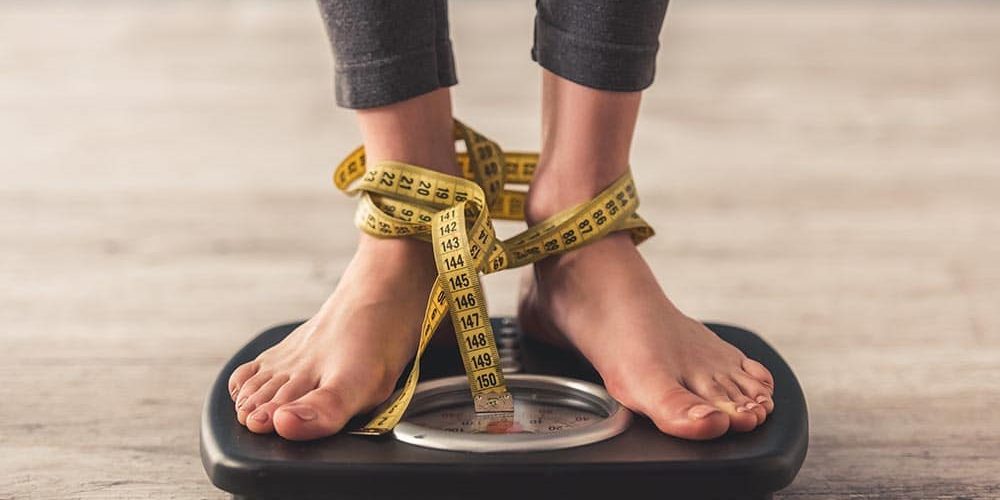
Are you eating healthy, exercising regularly, and still struggling to lose weight? You’re not alone. Many people hit a frustrating weight loss plateau despite their best efforts. Recent research suggests that your gut health may play a bigger role in weight management than previously thought. Probiotics—beneficial bacteria that support a balanced gut microbiome—are now being linked to improved metabolism, reduced cravings, and better fat regulation. In this article, we’ll explore how probiotics can support weight loss, especially when your body is holding onto stubborn fat despite a healthy diet and consistent workouts.
Why can't I lose weight?
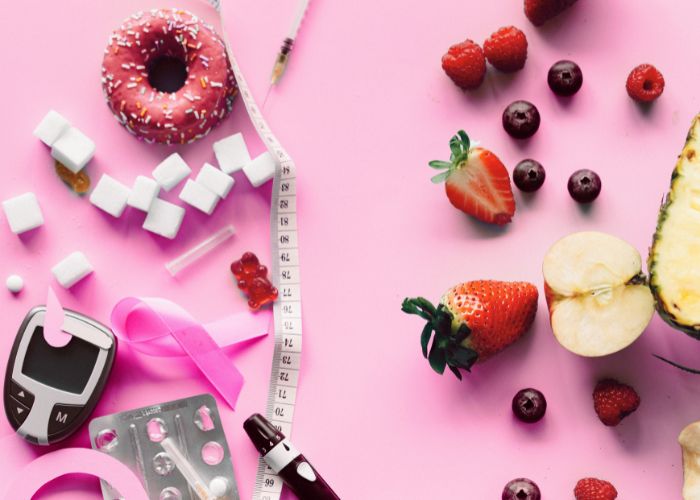
Sugar doesn’t just impact your waistline—it can also seriously harm your overall health. While conditions like fatty liver and type 2 diabetes are well-known risks of a high-sugar diet, many people overlook the damage sugar can do to gut health. Excess sugar and refined carbs disrupt the delicate balance in your intestines, raising the pH levels and making it harder for beneficial bacteria to thrive. At the same time, harmful bacteria that feed on sugar can flourish, further throwing your gut out of balance.
It’s not just obvious junk food that poses a problem. Many processed foods—even those that appear healthy, like fruit yoghurts, muesli, or pickles—can contain hidden sugars, additives, and preservatives that negatively affect both your weight and gut health. That’s why it’s always a smart move to check the ingredients list carefully.
Stress is another sneaky factor that can sabotage both your gut and your weight loss efforts. Chronic stress sends your gut microbiome into survival mode, encouraging the body to hold onto fat and sugar stores. Plus, lack of sleep—which often goes hand in hand with stress—has been shown to contribute to weight gain, especially in women, according to research from the National Academy of Sciences.
Is my gut flora affecting my weight?
Hours are spent sweating in the gym and days fasting – but for some people the weight just will not budge! One reason for this may be an excess of “fattening bacteria” in the gut. The trillions of bacteria living in your gut don’t just support digestion—they actively influence how your body manages your weight. When your gut microbiome is imbalanced—often due to poor diet, stress, lack of sleep, or overuse of antibiotics—the number of harmful bacteria can outnumber the beneficial ones, which can make it much harder to lose weight.
Probiotics can help restore harmony by replenishing the beneficial bacteria that support a healthy metabolism. Moreover, a balanced gut microbiome helps regulate cravings and supports the production of short-chain fatty acids (SCFAs) like butyrate, which have been shown to enhance fat burning and improve insulin sensitivity. This means that by improving your gut health with a high-quality probiotic supplement, you’re not just supporting digestion; you’re actively supporting your body’s ability to lose stubborn fat and maintain a healthy weight long-term.
In short, when your gut is thriving, your metabolism works more efficiently, your cravings are easier to manage, and your body is less likely to cling to fat, especially around the belly.
Taking a probiotic for weight loss is a great way to start your journey to getting in shape for summer, but there are lots of small lifestyle changes that may help you along the way. Below we have a list of the most useful tips!

Our top tips to help you get in shape!
Many diets fail in the long run because they’re often too restrictive, unsustainable, or not based on balanced nutrition. While creating a calorie deficit—burning more calories than you consume—is essential for weight loss, it’s just one part of the equation. Long-term success depends on supporting your metabolism, preserving muscle mass, and adopting healthy, realistic habits that fit into your daily life.
Muscle plays a key role in your body’s calorie-burning power. The more muscle you have, the higher your resting calorie burn—even when you’re at rest. This is why crash diets that cause muscle loss can actually make weight loss harder over time, as your body’s energy needs drop along with your muscle mass.
To help you lose weight sustainably, without constantly feeling hungry or deprived, here are some simple yet powerful strategies:
Move your body daily
Exercise boosts your daily calorie burn and helps maintain and build muscle, which keeps your metabolism going. Even adding more movement into your everyday routine—like walking, cycling, or strength training—can make a big difference in supporting fat loss, and you do not need to be working out for hours, just 30 minutes of movement a day can help!
Manage stress mindfully
While short bursts of stress can be motivating, chronic stress takes a toll on your body, disrupting your cortisol balance and encouraging fat storage, especially around the belly. Practicing stress management techniques like meditation, yoga, or deep breathing can support both your mental wellbeing and your weight loss efforts.
Stay hydrated
Water is essential for every process in your body—including metabolism. Plus, staying hydrated can help prevent mistaking thirst for hunger.
Listen to your hunger signals
Tuning in to your body’s true hunger cues can prevent overeating. Learn to distinguish between physical hunger, emotional eating, or simple thirst. When in doubt, have a glass of water and wait a few minutes before reaching for food.
Minimise temptations at home
Rather than banning treats altogether—which can backfire and make cravings worse—keep them out of easy reach by not stocking high-calorie snacks at home. Instead, enjoy occasional indulgences mindfully and outside of the house to avoid constant temptation.
Watch out for hidden calorie traps
Foods that seem healthy, like muesli bars, fruit yoghurts, and breakfast cereals, can be loaded with hidden sugars and empty calories. Always read the labels carefully. Even healthy snacks like nuts, while nutritious, are calorie-dense and should be eaten in moderation.
Track your calories
If you’re unsure about your daily intake, keeping a food diary or using a calorie-tracking app can help you spot hidden calorie bombs and fine-tune your diet for your goals. This can be an eye-opening way to learn about portion sizes and make more balanced choices.
Focus on filling foods
Prioritise foods high in fibre and protein, such as legumes, lean meats, fish, eggs, whole grains, and vegetables. These keep you feeling fuller for longer, helping to naturally reduce calorie intake without the need for strict dieting.
Skip the alcohol
Alcohol not only provides empty calories—more than carbohydrates per gram—but also lowers your inhibitions, making you more likely to overeat or choose unhealthy foods. For a healthier diet, it’s best to limit or avoid alcohol entirely.
Support your gut with probiotics and prebiotics
A healthy gut is key to effective weight management. Probiotics—beneficial bacteria—help maintain a balanced gut microbiome, which supports digestion, nutrient absorption, and fat metabolism. Prebiotics, on the other hand, are types of fibre that feed these good bacteria, helping them thrive. Combining both can create a synergistic effect, improving gut health, reducing bloating, supporting appetite regulation, and even enhancing the body’s ability to burn fat.