Gut Health & Weight: How Your Microbiome Shapes Your Body
Your microbiome isn’t just key to overall health; it plays a crucial role in how much you weigh. In this article, we’ll explore how gut bacteria help digest food, how your lifestyle can change the composition of your intestinal flora, and whether you’re truly “what you eat”.
As summer approaches, many of us set goals to get our bodies back in shape and shed those extra kilos gained over the festive season. The desired results often seem elusive after weeks of restrictive diets, hunger, and intense workouts. Even more frustrating, the scale may often revert to its starting point after just a few days. Meanwhile, others can seemingly eat whatever they want, without worrying about calories, and maintain their figure effortlessly.
While genetics, metabolism, and personal lifestyle all play a part, the composition of your gut flora plays a central role in how food is digested and the energy your body produces.
The Weighty Role of Gut Bacteria
The World Health Organisation has raised the alarm: childhood and adolescent obesity has increased tenfold over the past 40 years. In 1975, less than 1% of children were classified as obese. Today, that number has surged to nearly 6% of girls and 8% of boys. Globally, almost one in three people is overweight, increasing the risk of serious health conditions like cardiovascular disease and diabetes.
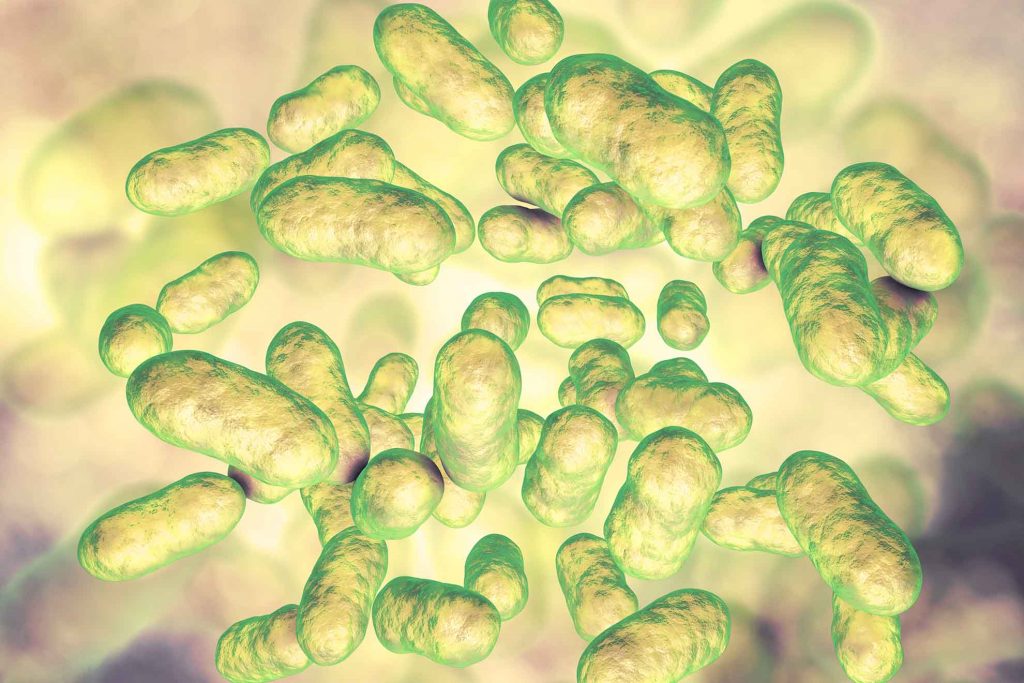
But why do some people gain weight more easily than others? Growing research suggests that the composition of our gut microbiome plays a crucial role. Scientists are particularly focused on the balance between two dominant groups of gut bacteria: Firmicutes and Bacteroidetes, which together make up over 90% of our intestinal flora.
A simple rule of thumb? The more Firmicutes you have, the higher your body weight is likely to be. These bacteria excel at extracting extra calories from food, even from normally indigestible fibers. Studies show that an abundance of Firmicutes can increase energy absorption by around 10% per day—equivalent to 200-250 extra calories, potentially leading to a weight gain of up to 10kg per year.
On the other hand, people with a higher proportion of Bacteroidetes tend to have a leaner physique. These bacteria actively eliminate excess sugar from the intestine rather than storing it as energy. This is evident when comparing the calorie content in the faeces of individuals with different body weights: slim people excrete more unused calories than those who are overweight.
As research continues to uncover the link between gut bacteria and weight, it’s becoming clear that our microbiome plays a far more significant role in metabolism than we once thought.
The Intestinal Trap: How Lifestyle Affects Gut Health and Weight
Lifestyle choices are a major driver of rising obesity rates, especially in industrialised nations like the UK. A lack of physical activity doesn’t just reduce energy expenditure—it also affects the balance of gut bacteria, influencing digestion, metabolism, and weight gain. But one of the biggest culprits? Our modern diet.
In the UK, 70-80% of our diet consists of ultra-processed foods, packed with hidden sugars, unhealthy fats, and artificial additives such as preservatives, emulsifiers, and artificial flavourings. These ingredients don’t just contribute to weight gain; they also disrupt gut flora, leading to digestive issues and long-term health risks.
If you take a closer look at nutrition labels while shopping, you’ll notice that even a supposedly “healthy” fruit yoghurt can contain a significant proportion of your daily recommended sugar and saturated fat intake. The body stores this excess sugar as fat, while the liver works overtime to process artificial additives.
The Western diet—high in red meat, dairy, processed foods, refined sugar, and salt, yet low in fibre, fruit, and vegetables—has serious consequences. A 2013 study found that this diet is a major risk factor for chronic inflammatory bowel diseases, such as Crohn’s disease and ulcerative colitis. Within a short time, it can cause dysbiosis, an imbalance in gut bacteria, leading to:
A weakened gut lining (Leaky Gut Syndrome), allowing toxins to enter the bloodstream
Chronic inflammation, increasing the risk of obesity, diabetes, and digestive disorders
Increased calorie absorption, as harmful bacteria alter metabolism and energy storage
At the same time, preservatives used to extend food shelf life are designed to kill bacteria—and unfortunately, they don’t just target the bad ones. These additives can also affect our gut microbiome, reducing the diversity of beneficial bacteria and further altering digestion.
With gut health playing such a crucial role in digestion and weight management, it’s clear that lifestyle choices go far beyond calorie counting.
Achieve Your Dream Body Through Gut Health
Your intestines play a crucial role in weight management, with gut bacteria directly influencing how your body extracts and stores energy from food. If you want to achieve long-term weight loss and maintain a healthy metabolism, it’s essential to create an environment in your gut that supports beneficial bacteria.
A sustainable approach to weight management isn’t just about counting calories—it’s about nourishing your gut microbiome. Alongside regular exercise and a balanced diet, incorporating prebiotics and probiotics can help optimise digestion, improve metabolism, and support a healthy weight. By focusing on gut health, you can naturally and effectively work towards achieving your ideal weight while improving overall well-being.
Tips for a Gut-Healthy Lifestyle on Your Journey to Your Dream Body

Achieving your ideal weight isn’t just about diet and exercise—it’s about nurturing your gut health for long-term success. Here are some simple yet effective ways to support your gut microbiome while working towards a healthy, sustainable lifestyle:
1. Move More Throughout Your Day
Incorporate natural movement into your routine:
🚶 Walk between bus stops instead of waiting for the next one
🛗 Take the stairs instead of the lift
🚲 Cycle instead of driving for short distances
Regular movement not only boosts metabolism and calorie burn, but it also enhances gut health. Athletes tend to have a more diverse microbiome and lower levels of inflammation compared to those who are less active.
2. Eat Fresh, Whole Foods
Cooking your own meals lets you control what goes into your body and helps you avoid hidden sugars, unhealthy fats, and artificial additives. Focus on:
✅ Whole grains – Provide long-lasting energy and fibre
🐟 Fish & plant-based oils – Rich in heart-healthy unsaturated fats
🍏 Fruits & vegetables – Packed with essential vitamins, minerals, and fibre
Eating fresh, nutrient-dense foods doesn’t just support gut health—it naturally boosts energy levels, helping you feel your best.
3. Be Cautious with Medications
Certain medications, such as antibiotics and proton pump inhibitors (PPIs), can disrupt gut bacteria and lead to long-term imbalances. Always consult your doctor to determine whether medication is truly necessary. If antibiotics are unavoidable, consider taking a high-quality probiotic to help restore gut balance.
4. Feed Your Gut Bacteria with Prebiotics
Prebiotics are fibre-rich compounds that nourish beneficial gut bacteria. Natural sources include:
🥬 Chicory root & salsify
🍎 Apple peels (rich in pectin)
🌻 Jerusalem artichoke (sunroot)
You can also find scientifically formulated prebiotics at pharmacies to promote the growth of specific beneficial bacteria.
5. Support Your Gut with Probiotics
Probiotics help maintain a healthy balance of gut bacteria by supporting intestinal diversity. A multi-species probiotic can help regulate the ratio of Firmicutes and Bacteroidetes, two key bacterial groups linked to metabolism and weight.
6. Be Patient and Stay Consistent
If your gut health has been neglected for years, you can’t expect overnight results. A sustainable lifestyle change takes time. Focus on small, consistent improvements, and gradually build healthy habits that last.
By prioritising gut health, you’ll not only work towards your dream body, but also improve digestion, energy levels, and overall well-being.
Which foods can unbalance our intestines?
- Sugars and other „fast“ carbohydrates change the pH-value of the intestines and facilitate the proliferation of pathogens. You can feel and smell it in the form of uncomfortable bloating.
- Too many unhealthy fats (e.g. trans fats and saturated fatty acids) play a significant role in the development of inflammation in the intestine.
- An excessive consumption of alcohol reduces the number of intestinal bacteria and also their variety, and is also associated with an increase of inflammation in the digestive system.
- Antibiotics – whether in food, especially meat, or as drugs – always lead to a massive decrease and annihilation of intestinal flora. If you compare the amount of prescribed antibiotics in the united states with that of obese people, you will see that the rising antibiotic prescription also leads to an increase in overweight people.
- Food additives also have a harmful effect: Additives such as emulsifiers (found in pastries and sweets, margarine, sausage etc.) facilitate the development of intestinal inflammation and conservatives can reduce the number of intestinal flora.